


The .22 vs. 6.5 Creedmoor debate is a close competition. When it comes to modern rifle cartridges designed for long-range accuracy and versatility, both sit near the top of shooters’ wish lists. These two cartridges share a common lineage, as the .22 Creedmoor is essentially a necked-down version of the 6.5 Creedmoor case. However, they serve very different roles on the range and in the field.
Looking for a reliable cartridge for hunting coyotes or other nuisance animals? Want a precision option to punch paper at long distances? Understanding the pros and cons of each cartridge will help you decide which one is the best fit for your intended use case. In this head-to-head comparison, I break down both options in terms of performance, specs, ballistics, and more.
22 Creedmoor VS 6.5 Creedmoor
The .22 Creedmoor is a newly standardized rifle cartridge (SAAMI approved around 2024) based on the 6.5 Creedmoor case necked down to .224″ bullets. Its purpose is to provide high muzzle velocity and excellent long-range performance for lighter projectiles while using the efficient Creedmoor case design. Typical rifling twist rates are 1:8″ to stabilize modern high-BC .22 bullets. It provides excellent performance for varmint, predator, and light game shooting.
Hornady introduced the 6.5 Creedmoor in 2007 and quickly grew into one of the most popular long-range cartridges worldwide. It was developed for precision shooting and features a case designed to optimize performance with high-ballistic-coefficient bullets, moderate recoil, and excellent long-range accuracy. It typically uses bullets in the 120-147 grain range and fits short-action rifles.
| Cartridge Specs | .22 Creedmoor | 6.5 Creedmoor |
|---|---|---|
| Parent Casing | 6.5mm Creedmoor | .30 Thompson Center |
| Bullet Diameter | .224″ | .264“ |
| Neck Diameter | .256″ | .295″ |
| Base Diameter | .470″ | .470″ |
| Case Length | 1.92″ | 1.92″ |
| Overall Length | 2.45″ | 2.825″ |
| Grain Weight | 65gr-95gr | 85gr-160gr |
| Max Pressure (SAMMI) | 62,000 PSI | 62,000 PSI |
The 6.5 Creedmoor was designed from the ground up for long-range match performance with heavier bullets. It carries more energy downrange and retains velocity longer because of its larger projectile and higher ballistic coefficient.
22 Creedmoor Dimensions:
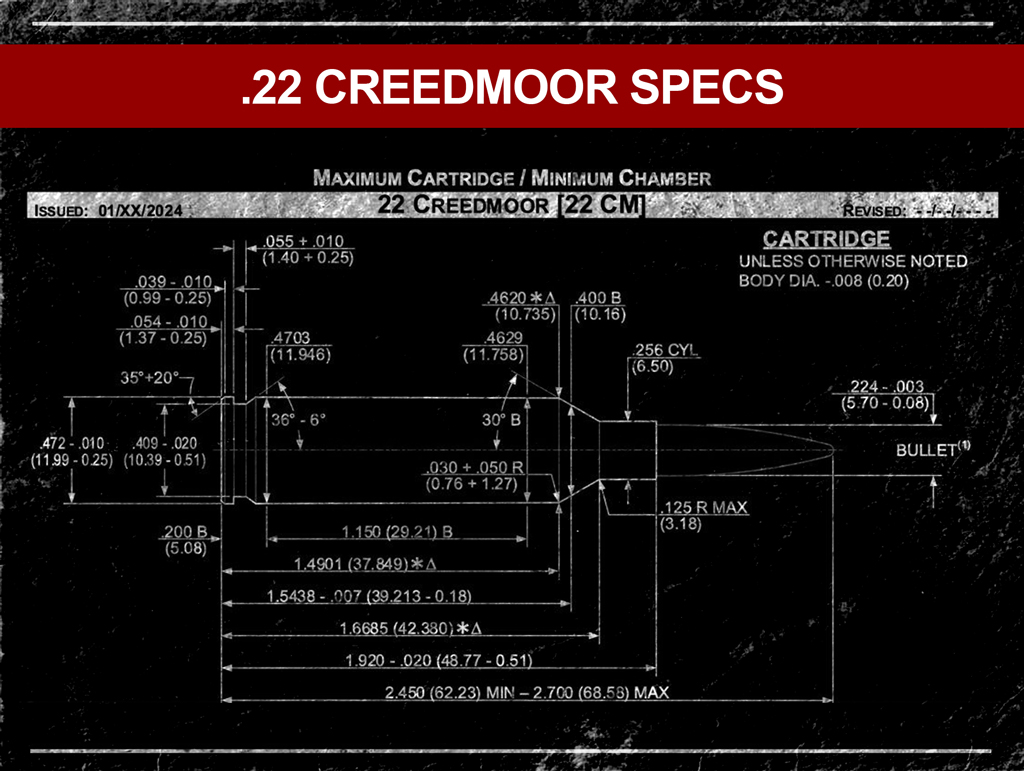
It may be smaller in diameter than the 6.5, but .22 Creedmoor holds its own ballistically.
- Designed: 2023
- Designer: Hornady & Derrick Ratliff
- Type: Centerfire Rifle
- Case capacity: 52.6gr H2O
6.5 Creedmoor Dimensions:
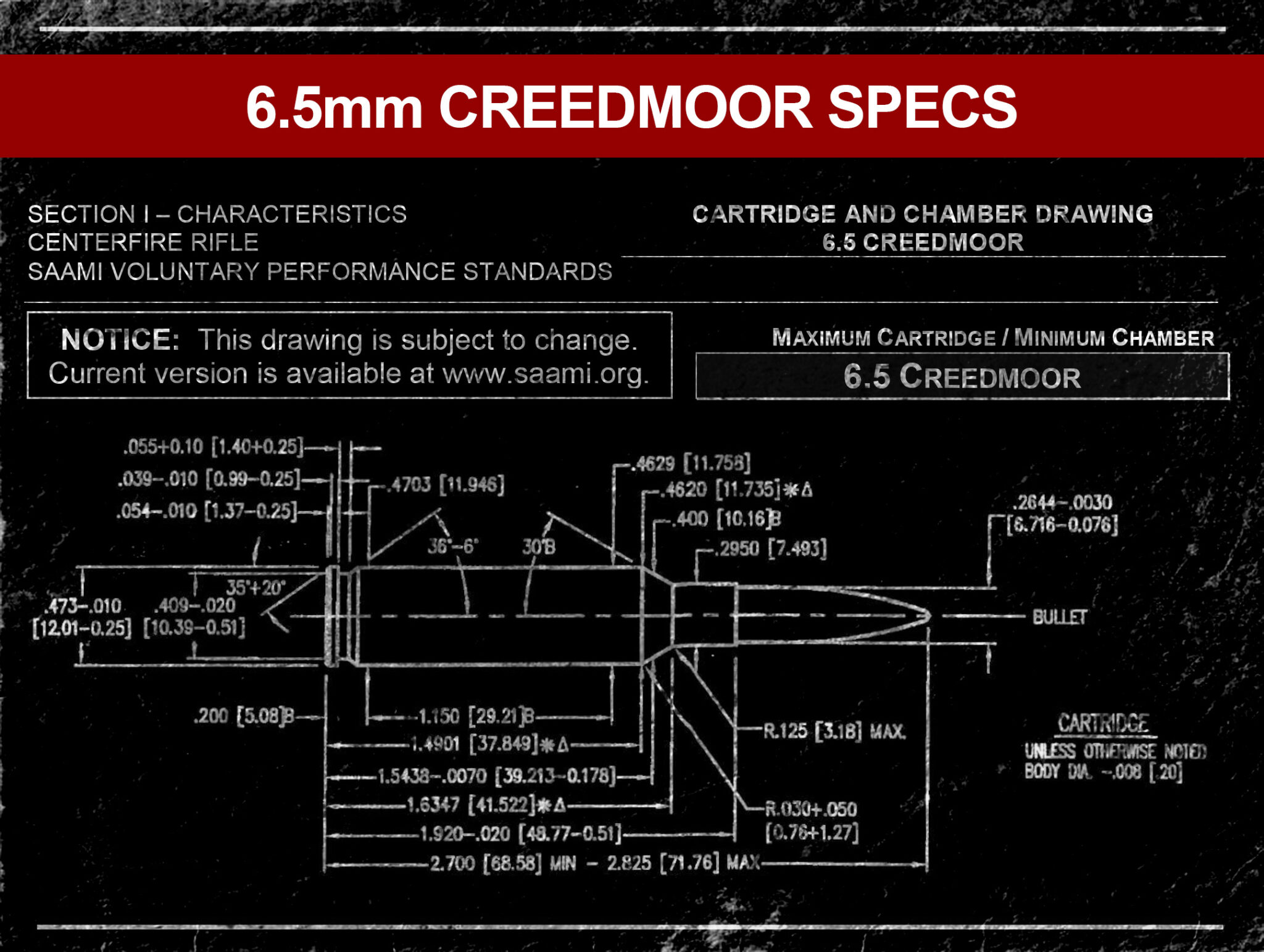
The bigger brother of the .22 Creedmoor is an example of excellent balance for size, weight, and propellant.
- Designed: 2007
- Designer: Hornady Manufacturing
- Type: Centerfire Rifle
- Case capacity: 52.5gr H2O
Cartridge Comparison
There are several different cartridges available in each caliber. I chose to compare the 22 Creedmoor 80gr ELD Match cartridge and the 6.5 Creedmoor 140gr ELD Match cartridge, both from Hornady. Take a look at how they match up below:
.22 Creedmoor – 80 gr ELD-VT V-Match
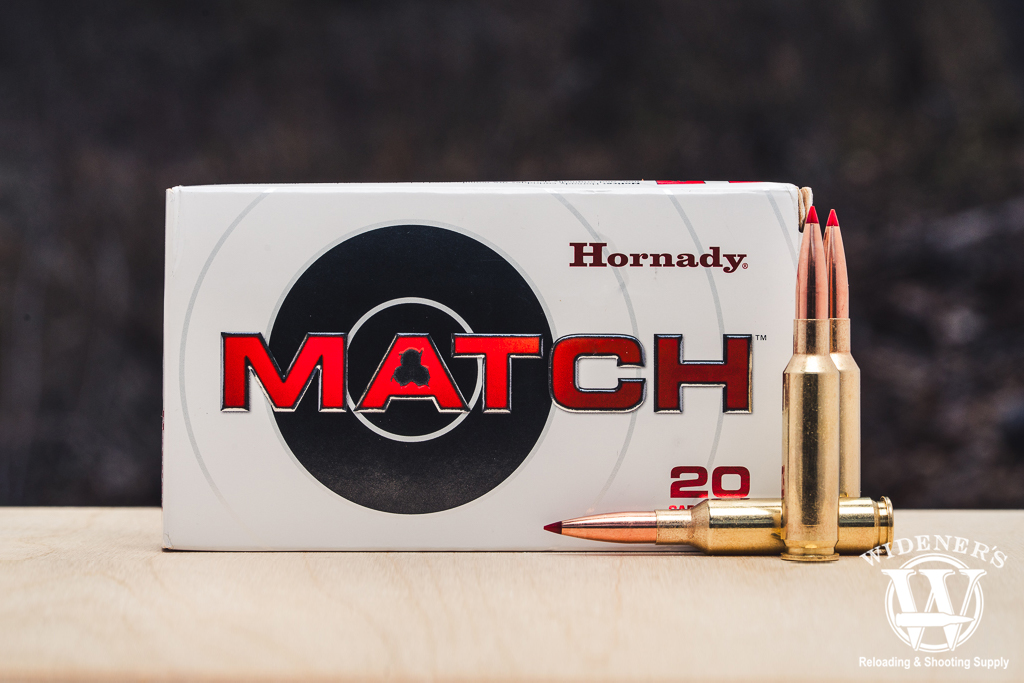
Hornady Match in .22 Creedmoor delivers excellent accuracy, manageable recoil, and reliable performance.
As a high-speed .22-caliber option, the .22 Creedmoor excels at flat shooting trajectories and minimizing wind drift in lighter bullets. The .22 Creedmoor achieves higher muzzle velocities due to its smaller projectile and efficient case design. According to Hornady, this 80-grain ELD cartridge leaves the muzzle at 3,285 feet per second.
Here’s a breakdown of its ballistics performance, according to Hornady’s test data:
| Caliber | Bullet Type | Bullet Weight | Velocity (Muzzle) | Energy (Muzzle) | 100 Yards (Velocity/Energy) | 200 Yards (Velocity/Energy) | 300 Yards (Velocity/Energy) |
|---|---|---|---|---|---|---|---|
| .22 Creedmoor | Poly | 80gr | 3,285 FPS | 1,917 FT LBS | 3,076 FPS/1,680 FT LBS | 2,877 FPS/1,470 FT LBS | 2,687 FPS/1,282 FT LBS |

Hornady 6.5 Creedmoor 147 Grain ELD Match – 20 Rounds
$38.85
Shop Now

Hornady 6.5 Creedmoor 147 Grain ELD Match – 200 Rounds
$384.85
Shop Now

Hornady 6.5 Creedmoor 120 Grain ELD Match – 200 Rounds
$394.85
Shop Now

Hornady 6.5 Creedmoor 120 Grain ELD Match – 20 Rounds
$40.85
Shop Now


6.5 Creedmoor – 140 gr ELD-VT V-Match
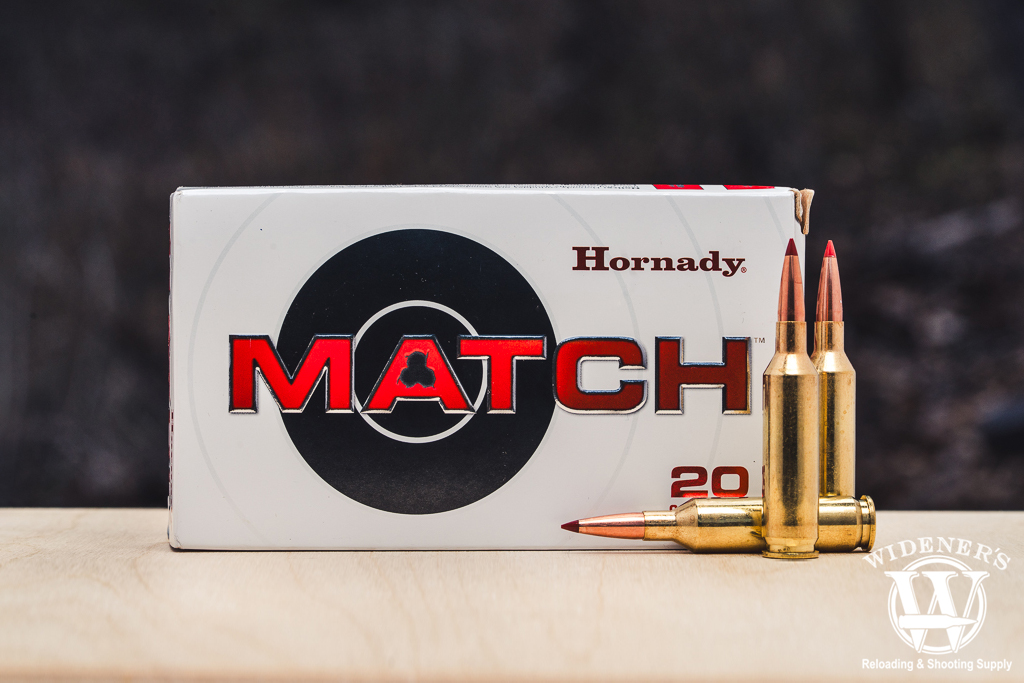
You aren’t likely to find an option that outperforms Hornady Match for accuracy at long-range distances.
The 140-grain ELD 6.5 Creedmoor cartridge is more than 550 FPS slower, clocking in at a still respectable 2710 FPS. However, the 6.5 Creedmoor retains more energy, making it a better option for taking larger game. Both rounds maintain a velocity in excess of 2000 FPS out to 500 yards, which is an impressive feat.
Here’s a breakdown of the 6.5 Creedmoor’s ballistics performance, according to Hornady’s test data:
| Caliber | Bullet Type | Bullet Weight | Velocity (Muzzle) | Energy (Muzzle) | 100 Yards (Velocity/Energy) | 200 Yards (Velocity/Energy) | 300 Yards (Velocity/Energy) |
|---|---|---|---|---|---|---|---|
| 6.5 Creedmoor | Poly | 140gr | 2,710 FPS | 2,283 FT LBS | 2,564 FPS/2,043 FT LBS | 2,422 FPS/1,823 FT LBS | 2,285 FPS/1,622 FT LBS |
Hornady 6.5 Creedmoor 147 Grain ELD Match – 20 Rounds
$38.85
Shop Now
Hornady 6.5 Creedmoor 147 Grain ELD Match – 200 Rounds
$384.85
Shop Now
Hornady 6.5 Creedmoor 120 Grain ELD Match – 200 Rounds
$394.85
Shop Now
Hornady 6.5 Creedmoor 120 Grain ELD Match – 20 Rounds
$40.85
Shop Now
Pros & Cons: .22 Creedmoor
The benefits of the .22 Creedmoor include the following:
- Fast, Flat Trajectory: Excellent for precise shot placement and minimizing hold-over at typical target and varmint ranges
- Low Recoil: Easier to shoot accurately for new shooters
- Great for Smaller Game: Designed for varmints, small predators, and precision target shooting
- Mag Compatibility: Uses standard short-action formatted magazines
The drawbacks of the .22 Creedmoor are as follows:
- Low Energy: Less energy than the 6.5 Creedmoor, which limits its effectiveness for larger game
- Less Common Ammo: As a newer cartridge, commercial ammo availability and selection are more limited than those of the 6.5 Creedmoor
- Barrel Life Considerations: High velocities can accelerate wear in some barrels
Despite these concerns, the .22 Creedmoor is an excellent cartridge that serves its purpose very well.
Pros & Cons: 6.5 Creedmoor
The pros of the 6.5 Creedmoor are as follows:
- Balanced Performance: The 6.5 offers an excellent mix of energy, trajectory, and recoil for precision and hunting roles
- Ammo is Readily Available: One of the most commercially supported modern cartridges on the market today
- Proven Long-Range Performance: The 6.5 Creedmoor has proven itself in a range of competition and hunting scenarios
- Effective on Medium to Big Game: Offers enough energy and penetration for larger animals
The cons of the 6.5 Creedmoor include the following:
- More Recoil Than .22 Creedmoor: The 6.5 has moderate recoil, but there is a noticeable difference compared to the .22 Creedmoor
- Heavier Bullets: Means wind becomes a bigger factor than with lighter projectiles
- Trajectory Not Quite As Flat: Has a greater bullet drop than the .22 Creedmoor
The 6.5 Creedmoor has become a mainstream option and is widely regarded as a modern cartridge capable of performing well in various scenarios.
Best Uses for the .22 Creedmoor
The .22 Creedmoor is ideal for:
- Hunting varmints and predators, such as coyotes, foxes, and prairie dogs
- Precision target shooting
- Teaching youth to shoot
It is a fun-to-shoot cartridge that is also accessible for new shooters. The light recoil makes it a great entry-level round for precision shooting.
Best Uses for the 6.5 Creedmoor
The 6.5 Creedmoor is best for:
- Precision at long range
- Hunting medium and larger game
- Training and tactical shooting scenarios
As a heavier cartridge, the 6.5 Creedmoor delivers plenty of downrange energy to take down your target. There are plenty of different cartridges available, including hunting and match rounds.
22 Creedmoor VS 6.5 Creedmoor: Key Differences
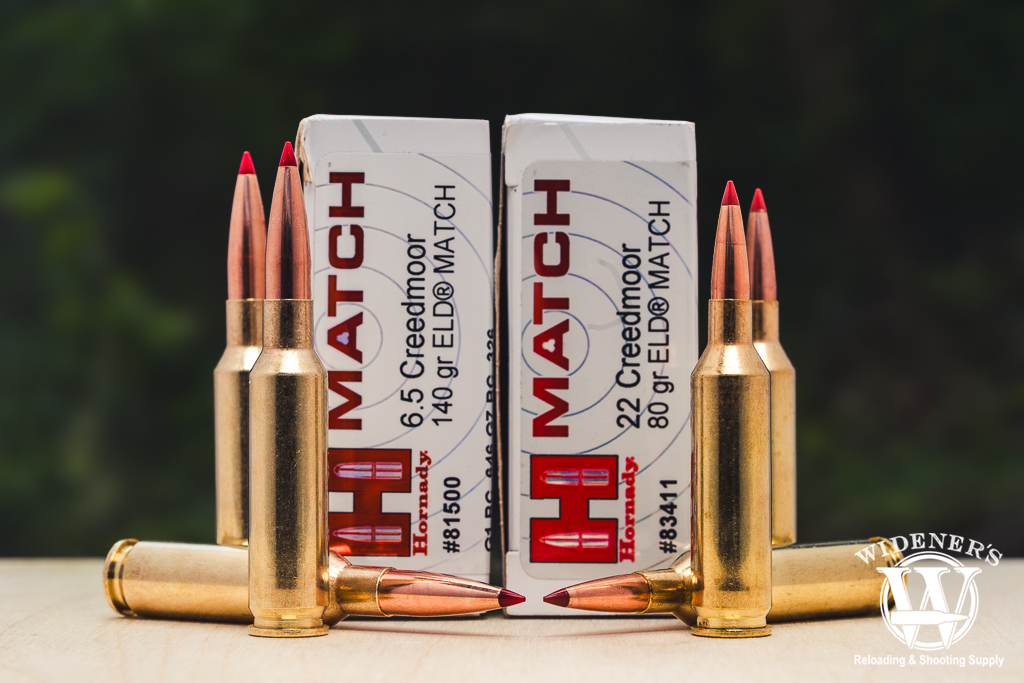
Same, but different: The .22 Creedmoor (Right) is all about speed, while the 6.5 Creedmoor (Left) brings balance with ballistic coefficients.
Even though the .22 Creedmoor and 6.5 Creedmoor share a similar case, they end up doing very different things once you start shooting them side by side.
The .22 Creedmoor is all about speed and shootability. It pushes lighter .224-caliber bullets fast, which translates to a flatter trajectory and very little recoil. That makes it easy to stay in the scope, spot impacts, and make quick corrections, especially at the distances where most people are shooting steel or chasing varmints. The tradeoff is that those lighter bullets don’t carry energy as well once you really start stretching things out.
The 6.5 Creedmoor takes a different approach. Instead of raw speed, it leans on heavier bullets with excellent ballistic coefficients. They leave the muzzle slower, but they hold onto velocity better and deal with wind more consistently as distance increases. That’s why the 6.5 tends to feel easier to manage once you get past the mid-range and into true long-range shooting.
Recoil is another noticeable difference. The .22 Creedmoor is soft-shooting, even in lighter rifles, which makes it great for longer range sessions or higher round counts. The 6.5 Creedmoor still isn’t punishing by any stretch, but you’ll feel more of it, especially in a hunting-weight setup.
Where the 6.5 Creedmoor clearly pulls ahead is downrange energy. It carries more authority to the target, which is why it’s commonly used for deer-sized game and larger. The .22 Creedmoor isn’t built for that role; it shines in precision, speed, and efficiency rather than terminal performance.
From a practical standpoint, there’s also a difference in how established each cartridge is. The 6.5 Creedmoor is everywhere. The .22 Creedmoor is newer and growing fast, but it still has fewer factory options to choose from.
Brief History of the .22 Creedmoor
The .22 Creedmoor is an offshoot of the popular 6.5 Creedmoor platform, later standardized by SAAMI around 2024. Hornady submitted a design for a .22-caliber round capable of delivering competitive velocities and flat trajectories while retaining the case efficiency shooters had come to appreciate in the Creedmoor family. It’s been adopted in both match and hunting cartridges, filling a niche between classic varmint calibers and long-range centerfires.
Brief History of the 6.5 Creedmoor
Hornady introduced the 6.5 Creedmoor in 2007 to maximize long-range accuracy with minimal recoil. It quickly became a staple for competitive shooters before crossing over into hunting and tactical circles. Its balance of velocity, energy, and shootability helped make it one of the most widely used modern cartridges.
22 Creedmoor vs 6.5 Creedmoor: A Tale of Two Cartridges
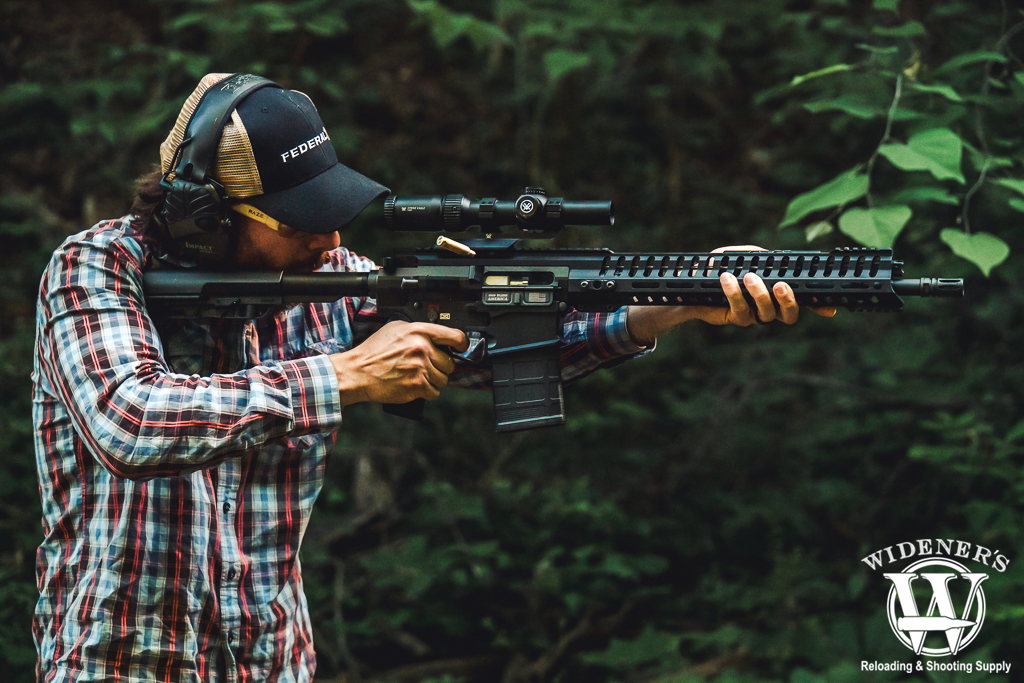
The .22 Creedmoor and the 6.5 Creedmoor have flat trajectories and high velocities for hitting targets hard at distance.
The choice between the .22 Creedmoor and the 6.5 Creedmoor comes down to what you plan to shoot and where you plan to shoot it. Go with the .22 Creedmoor if you want a high-velocity, low-recoil cartridge that shines at varmint and small predator hunting. Choose the 6.5 Creedmoor if your goals include long-range precision and reliable energy for larger game.
You may also like
